DUO-MEDICAL

Dr. giovanni sedó mejía

Specialist in Allergy and Internal Medicine

Phone: (506) 2228-1406

Meet the Doctor

Allergies are everywhere. They affect millions of people, both children and adults alike. To prevent, diagnose, and treat them, you need someone who truly understands the subject.

Dr. Giovanni Sedó Mejía is one of those experts. He is an internist trained at the University of Costa Rica and a specialist in Allergology, with advanced studies at the University Hospital of the Autonomous University of Nuevo León in Monterrey, Mexico — a center accredited for excellence by the World Allergy Organization (WAO).

Dr Giovanni Sedo

Common Questions

What Are Allergies and Why Do They Affect Me So Much?

Click to view this answer and others like it…

Consulta Scaled

If you or a family member are experiencing constant sneezing, itchiness, or respiratory discomfort, schedule a consultation with us and take the first step toward feeling better.

ALLERGIES

Allergy is an immune system reaction to substances that normally do not cause harm. It can be mediated by antibodies (such as IgE) or by immune cells. In IgE-mediated allergies, symptoms appear quickly after contact with the allergen through oral, nasal, respiratory, or skin exposure. This type of allergy is diagnosed using skin or blood tests to identify which substances the body is sensitized to. On the other hand, non-IgE-mediated allergies tend to appear later and cannot be detected with standard tests. An example is allergic contact dermatitis, which is diagnosed through patch testing.

ASTHMA

Bronchial asthma is a chronic disease characterized by inflammation of the bronchi, which leads to variable airway obstruction. This obstruction prevents the normal flow of air into the lungs and typically presents as attacks or acute episodes, which may resolve spontaneously or require medical treatment. The frequency of these attacks varies greatly from person to person. In some cases, they occur once or twice a year, while in others, they may happen several times in a short period—especially during seasonal changes (such as in autumn or spring) or in cold weather. Although asthma can have different causes, the main symptoms are usually the same: difficulty breathing, chest wheezing, and coughing. In children, the most common cause is an allergy to environmental factors such as pollen, dust mites, mold, or animal dander. In adults, asthma can also be allergy-related, particularly when there is a personal or family history of asthma or allergic diseases during childhood.

RHINITIS / SINUSITIS

Allergic Rhinitis (AR), or nasal allergy, is the most common allergic condition at any age. It is estimated that approximately 10 to 15% of the general population suffers from it, making it the most frequent nasal condition overall. Depending on its severity, it can even be disabling or significantly reduce a person’s quality of life, although the condition itself is not considered dangerous.
Sinusitis is an inflammation of the sinuses. The sinuses are hollow cavities within the cheekbones, located around and behind the nose. Researchers believe that their primary functions are to warm, humidify, and filter the air in the nasal cavity. They also play a role in the ability to vocalize certain sounds. Sinusitis can be acute or chronic, and may last for months or even years if not properly treated.

ATOPIC DERMATITIS

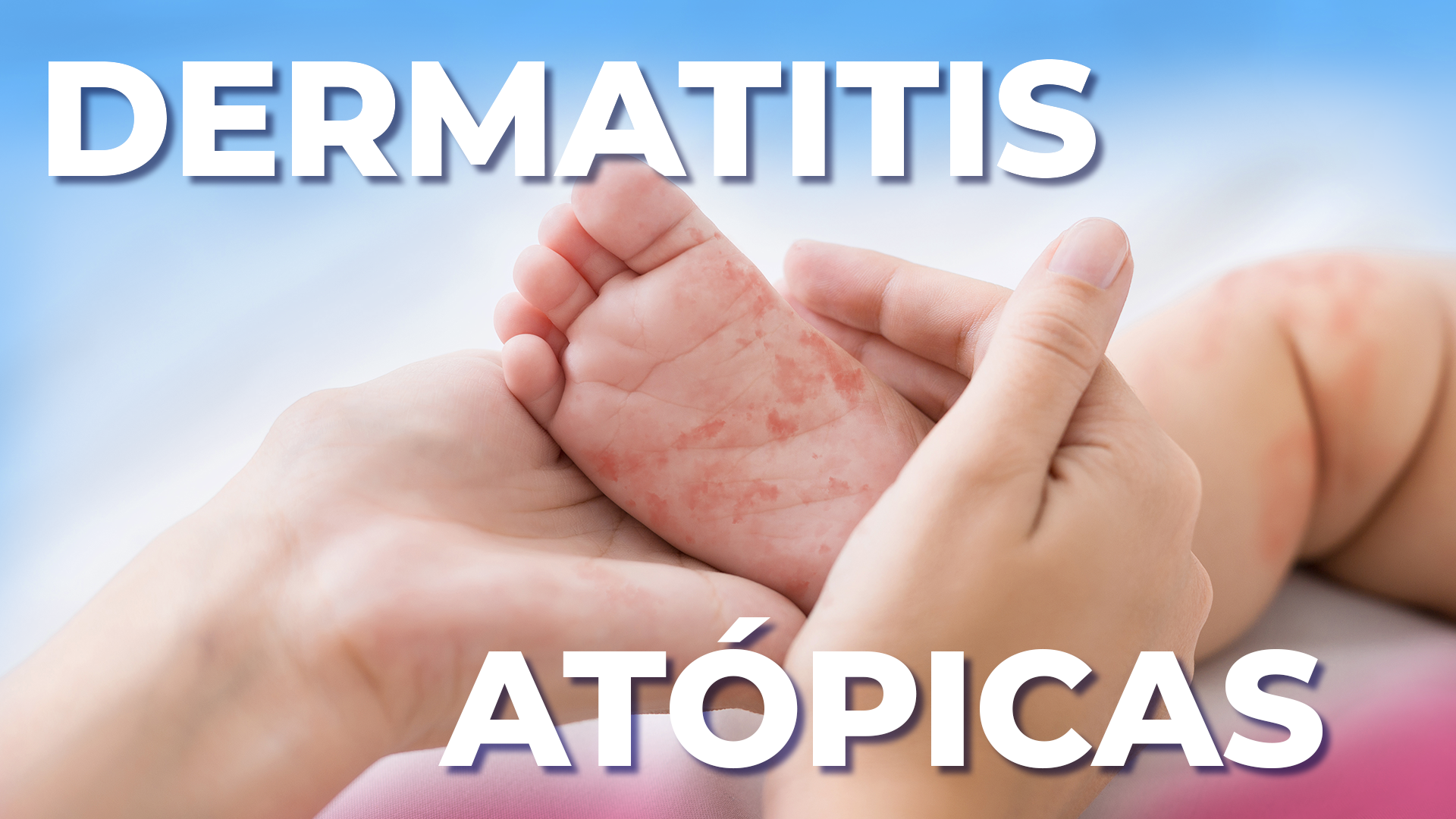
Atopic dermatitis is a chronic and recurrent skin condition characterized by lesions with redness, dryness, and intense itching, which can appear on various parts of the body. It occurs in acute flare-ups of variable duration and intensity, alternating with periods where the skin appears healthy. In addition, the skin of these patients often shows hyperreactivity to physical stimuli or direct irritants, and increased susceptibility to skin infections, such as those caused by fungi or Staphylococcus aureus. Atopic dermatitis is also considered a risk factor for the development of asthma. There is a strong genetic predisposition, and it is frequently associated with other allergic conditions such as bronchial asthma and allergic rhinitis. Approximately one-third of patients with atopic dermatitis may develop allergic contact dermatitis due to constant exposure to products like creams, soaps, or metals. For this reason, during an allergy consultation, the clinical history should include an evaluation for possible contact allergies as part of the comprehensive assessment of these cases.